
The best flat interior designer in kolkata for home is the firm that matches your specific budget, timeline, and housing society rules rather than just a high portfolio rating. You’ll find the right fit by filtering candidates based on verified local project experience and transparent pricing models instead of social media popularity alone. This approach prevents costly mismatches between your expectations and what a designer can actually deliver within Kolkata’s unique construction constraints.
Top Rated Interior Designers for Kolkata Flats
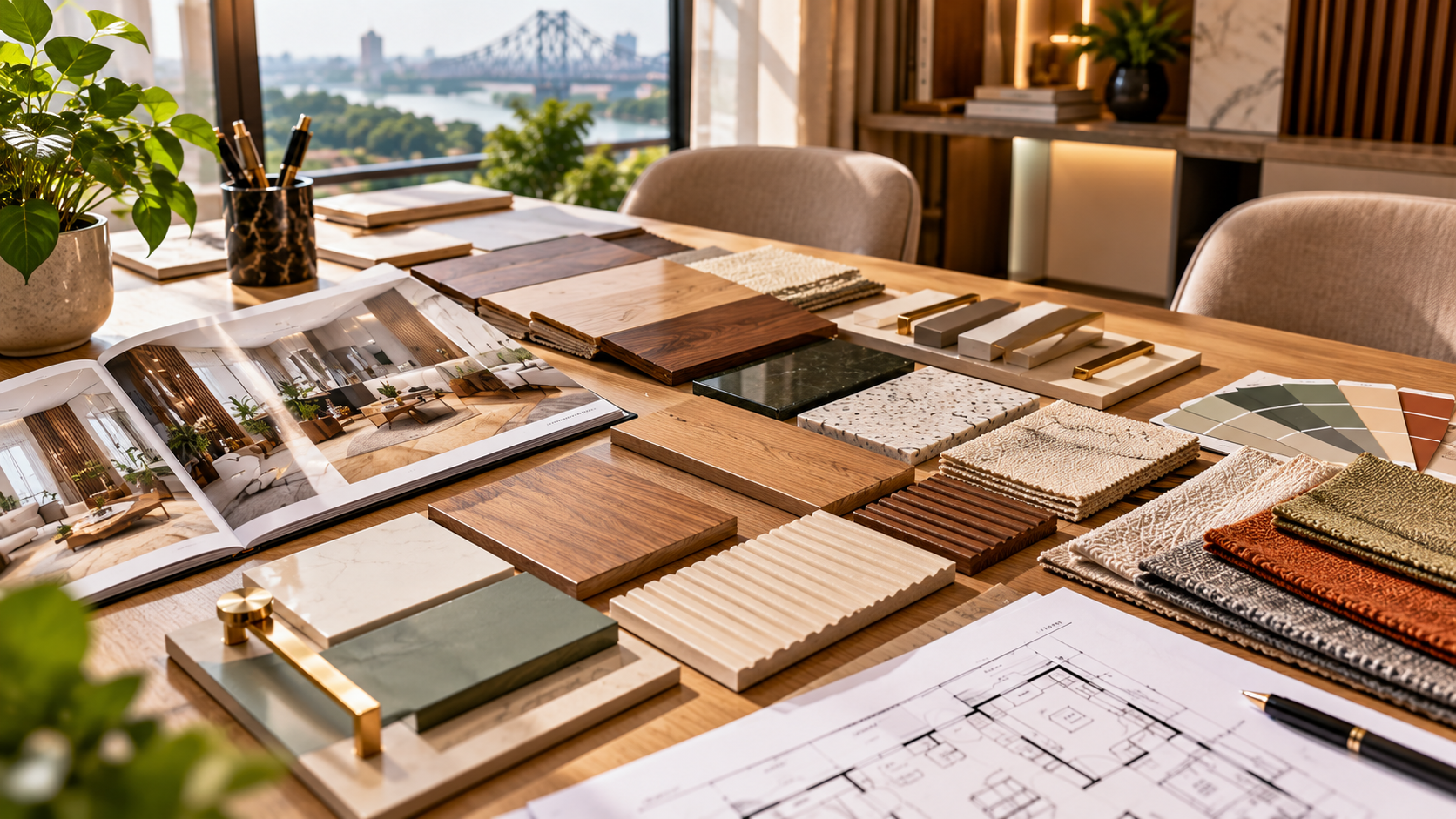
Finding reliable professionals requires looking past marketing claims to verify actual execution capability in residential towers. The market splits into three distinct tiers, each serving different needs and budget brackets effectively.
Designers Specializing in Compact Apartment Layouts
Space optimization experts focus on 2BHK and smaller units where every square foot counts for functionality. They use modular systems and custom joinery to create storage without making rooms feel cramped or cluttered.
If your carpet area is under 800 square feet, prioritize designers who show before-and-after photos of similar compact layouts; if it’s larger, their space-saving tricks might limit your design options unnecessarily. These specialists understand structural walls in older Kolkata buildings versus new developments.
Firms Known for Luxury Residential Interiors
High-end studios handle premium finishes, imported materials, and complex automation systems for spacious apartments. They typically work with clients who want bespoke furniture and curated art installations rather than standardized solutions.
This tier isn’t for you if your budget is tight, as their overheads and material sourcing minimums make smaller projects financially unviable for both parties. Expect longer lead times due to custom fabrication and international shipping dependencies.
Budget Friendly Options for Standard Homes
Value-focused designers offer standardized packages with limited customization to keep costs predictable for middle-class families. They balance quality and affordability by using locally sourced materials and efficient project management templates.
The trade-off here is personalization; you’ll choose from predefined color palettes and layout options rather than getting fully custom designs. Verify they don’t cut corners on electrical safety or waterproofing to maintain low prices.
Evaluating Portfolios for Local Relevance
A portfolio filled with international renders or commercial spaces tells you little about residential execution in Kolkata. You need evidence of completed flats in similar buildings with comparable challenges.
Assessing Space Optimization in Past Projects
Look specifically for projects in your housing society or adjacent complexes with identical floor plans. Photos should show real lived-in spaces, not just staged marketing shots taken immediately after handover.
Generic answers suggest they haven’t actually worked in that building type before.
Checking Material Quality and Finish Standards
Request site visits to ongoing projects to see installation quality firsthand, not just finished showroom displays. Pay attention to edge banding, grout lines, and paint consistency in areas that won’t be featured in portfolios.
Material samples should match what gets installed; substitutions without written approval are a common mistake that costs homeowners both money and trust mid-project. Document everything photographically during visits.
Understanding Pricing Models and Cost Estimates
Transparent costing separates professional firms from contractors who quote low then add charges later. Always get itemized breakdowns showing labor, materials, and margins separately before signing anything.
Per Square Foot Rates vs Lump Sum Contracts
Per-square-foot pricing works well for standard layouts but fails when customization increases significantly. Lump sum contracts suit complex renovations where scope varies room by room.
Pricing Model | Best For | Risk Factor | Adjustment Method |
|---|---|---|---|
Per Sq Ft Rate | Standard 2BHK/3BHK packages | Excludes civil work changes | Add separate line items for modifications |
Lump Sum Contract | Custom luxury renovations | Scope creep without change orders | Define exact deliverables in annexure |
Hybrid Approach | Partial renovation + furnishing | Coordination gaps between phases | Split payment milestones by phase completion |
Choose per-square-foot only if your layout matches the designer’s template exactly; otherwise, insist on detailed BOQ-based lump sum pricing to avoid surprise bills.
Hidden Costs in Renovation and Furnishing
Civil work like breaking walls, rerouting plumbing, or upgrading electrical panels rarely appears in base quotes. These can add 15-25% to your total budget depending on building age and condition.
Always ask for a separate civil work estimate before finalizing the main contract. Skipping this step is where most budget overruns originate, especially in pre-2000 constructions with outdated infrastructure.
Verifying Credentials and Client Reviews
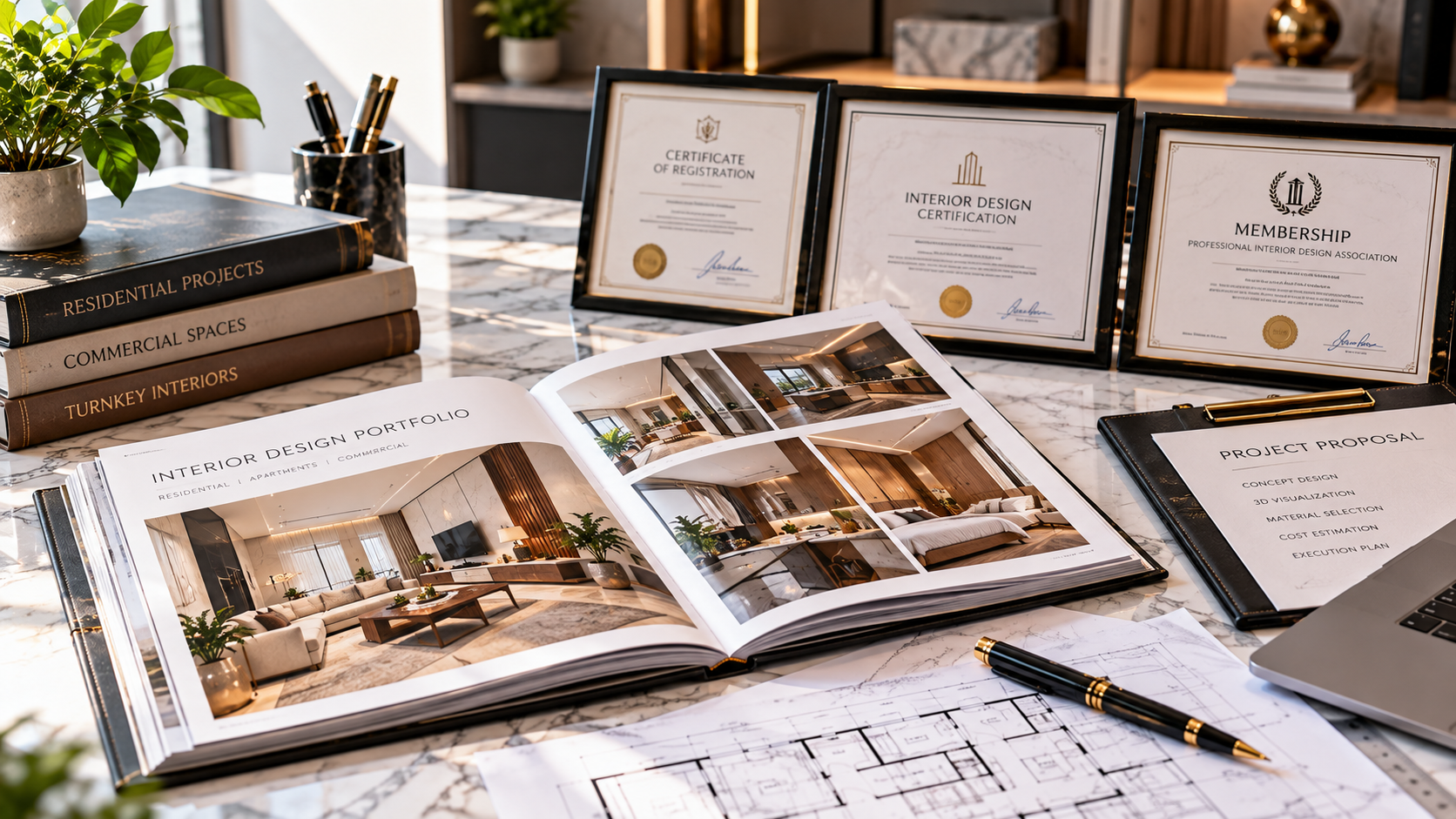
Online ratings can be manipulated, so cross-reference multiple verification methods before committing. Professional memberships and trade licenses provide baseline credibility checks.
Checking Trade Licenses and Professional Memberships
Verify GST registration and trade license validity through official government portals, not just screenshots provided by the designer. Membership in bodies like the Indian Institute of Interior Designers indicates commitment to industry standards.
Unregistered entities pose significant risk for warranty enforcement and legal recourse.
Analyzing Feedback on Timelines and Communication
Read reviews mentioning specific delays or communication breakdowns, not just star ratings. Patterns matter more than isolated complaints; three mentions of missed deadlines signal systemic issues.
Contact past clients directly when possible, asking about post-handover support responsiveness. Designers who refuse client references may be hiding unresolved disputes or poor service records.
Design Styles Popular in Kolkata Residences
Local climate and cultural preferences shape practical design choices beyond mere aesthetics. Humidity resistance and traditional sensibilities influence material selection and spatial planning significantly.
Modern Minimalist Adaptations for Humid Climates
Clean lines work here only when paired with moisture-resistant materials like marine plywood and anti-fungal paints. Pure white surfaces yellow quickly; opt for warm neutrals that age gracefully in tropical conditions.
Avoid excessive glass or metal surfaces that trap heat during summer months. Cross-ventilation paths must remain unobstructed by decorative elements to prevent mold growth in monsoon seasons.
Contemporary Bengali Aesthetics and Traditional Elements
Modern interpretations blend terracotta accents, cane weaving, and courtyard-inspired layouts with contemporary functionality. These elements connect emotionally while meeting current lifestyle needs practically.
Balance traditional motifs with neutral backgrounds to avoid visual heaviness in smaller flats. Overloading cultural references makes spaces feel dated faster than subtle integration does.
Managing Timelines and Project Execution
Realistic scheduling accounts for Kolkata’s seasonal disruptions and vendor dependencies. Buffer time prevents panic when inevitable delays occur during monsoons or festival periods.
Typical Durations for Full Flat Renovations
A complete 3BHK renovation takes 90-120 days from demolition to handover under normal conditions. Civil-heavy projects involving structural changes extend this to 140-160 days realistically.
Monsoon work adds 2-3 weeks for drying and curing processes; plan accordingly if starting between June and September. Rushing wet-work compromises finish quality permanently.
Coordinating with Building Management and Vendors
Housing societies often restrict work hours and require advance permissions for material movement. Confirm these rules before finalizing timelines to avoid daily stoppages and neighbor complaints.
Vendor coordination failures cause most delays; designate one point person responsible for tracking deliveries and installations. Splitting this responsibility among family members guarantees miscommunication and missed slots.
Contract Essentials and Warranty Coverage

Written agreements protect both parties when expectations diverge mid-project. Verbal promises hold no weight during disputes or defect claims after payment completes.
Payment Schedules and Milestone Definitions
Never pay more than 10% upfront; tie subsequent payments to verifiable completion stages, not calendar dates. Final payment (minimum 10%) should release only after snag list resolution and handover acceptance.
Milestones must include photographic proof and joint inspection sign-offs. Date-based payments incentivize rushing over quality, especially when cash flow pressures mount.
Post Handover Support and Defect Liability
Standard defect liability periods run 6-12 months covering workmanship and material failures. Get this warranty in writing with clear response time commitments for urgent versus non-urgent issues.
Exclusions should be explicitly listed; vague clauses let designers deny legitimate claims later. Keep all communication documented via email or WhatsApp for reference during warranty enforcement.
Frequently Asked Questions
These common queries address specific concerns Kolkata homeowners face during designer selection. Direct answers help you move forward confidently without unnecessary back-and-forth.
How do I verify if a designer has experience with my specific housing complex?
Ask for at least two completed project addresses within your society and visit them personally. Site supervisors and security guards often know which designers actually delivered quality work versus those who caused problems.
What is the average cost per square foot for premium interior design in Kolkata?
Premium residential interiors range from ₹2,200 to ₹3,500 per square foot including civil work and furnishings. Rates vary based on material grades, customization level, and designer reputation; always compare itemized BOQs rather than headline rates.
Can I hire a designer only for consultation without full execution services?
Yes, many firms offer paid consultation packages that are inexpensive relative to full design services for layout planning and material guidance. Clarify deliverables upfront; some consultations include drawings while others provide only verbal advice.
How long does a complete 3BHK flat interior project typically take?
Expect 90-120 days for standard finishes and 140-160 days when extensive civil modifications are involved. Monsoon starts add 2-3 weeks for proper curing; factor this into your move-in planning realistically.
Conclusion
Selecting the right professional means matching verified local experience to your specific flat type and budget constraints. Take time to validate claims through site visits and direct client conversations before committing funds or signing contracts. Your patience during selection prevents expensive corrections and disappointment after handover.