
Have you ever noticed how the right lighting can completely change the way a room feels? Whether you’re working, relaxing, or entertaining, lighting plays a huge role in your comfort and mood.
But it’s not just about brightness—lighting affects your health, productivity, and even safety. You’ll discover why lighting matters more than you might think and how simple changes can make a big difference in your daily life. Keep reading to unlock the secrets of perfect lighting for your space.
Role Of Lighting In Space
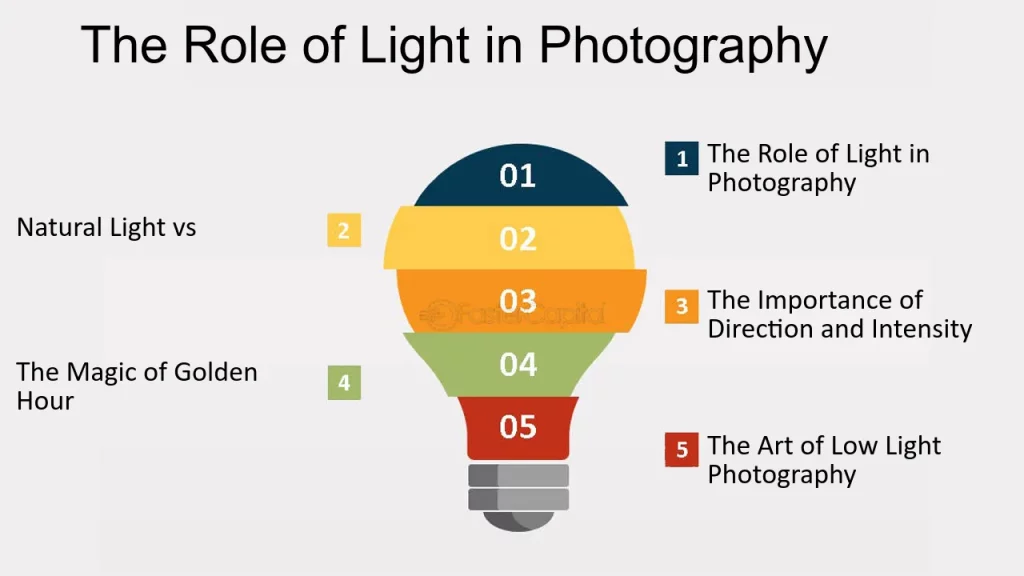
Lighting shapes how we use and feel in any space. It changes the look and feel of a room. The right light helps people feel calm or alert. It also makes spaces useful and safe. Understanding lighting’s role helps create better homes and offices.
Effects On Mood And Ambiance
Light sets the mood in a room. Bright, cool light makes people feel awake. Soft, warm light helps people relax. Light colors and brightness can change emotions. A well-lit room feels welcoming and comfortable. Poor lighting can cause stress or tiredness. Lighting controls how cozy or lively a space feels.
Impact On Functionality
Lighting affects how well people work or move. Bright light helps with tasks like reading or cooking. Dim light makes it hard to focus or see details. Good lighting reduces eye strain and accidents. It defines areas for work, rest, or play. Proper lighting supports daily activities and safety. It helps spaces serve their purpose better.
Credit: aaft.com
Types Of Lighting
Lighting shapes the feel and function of any space. It controls mood, highlights design, and improves comfort. Different lighting types serve different purposes. Knowing these types helps you create balanced and effective lighting.
Ambient Lighting
Ambient lighting is the main light in a room. It provides overall brightness and fills the space. Examples include ceiling lights, chandeliers, and wall-mounted fixtures. This lighting helps people see clearly and move safely.
Task Lighting
Task lighting focuses on specific activities. It brightens areas used for reading, cooking, or working. Desk lamps and under-cabinet lights are common types. This lighting reduces eye strain and improves focus.
Accent Lighting
Accent lighting highlights objects or areas. It draws attention to artwork, plants, or architectural features. Spotlights and track lights often serve this role. Accent lighting adds depth and interest to a room.
Choosing The Right Fixtures
Choosing the right lighting fixtures shapes the look and feel of any space. Fixtures do more than hold bulbs. They set mood, style, and brightness. The right choice enhances comfort and beauty.
Consider the room’s purpose first. Task areas need focused light. Living rooms want softer, ambient glow. Fixtures must match these needs for best results.
Styles And Designs
Lighting fixtures come in many styles. Modern, rustic, classic, and industrial designs fit different decors. Choose a style that blends well with your room’s theme. Small details like shape and color matter.
Fixtures can be bold or subtle. Large chandeliers make a statement. Simple pendant lights add charm quietly. Think about size and placement too. Balance the fixture with room size for harmony.
Energy Efficiency
Energy-efficient fixtures save money and help the planet. LED lights use less power and last longer. They give bright light with low heat. Choose fixtures that support LED bulbs.
Look for labels like ENERGY STAR. These guarantee lower energy use. Efficient lighting reduces electricity bills. It also cuts carbon footprints. Smart choices protect the environment and your budget.
Lighting Techniques
Lighting techniques shape how a space looks and feels. They help create mood, improve function, and add style. Using the right methods makes a room more inviting and comfortable. Here are some key lighting techniques to know.
Layering Light
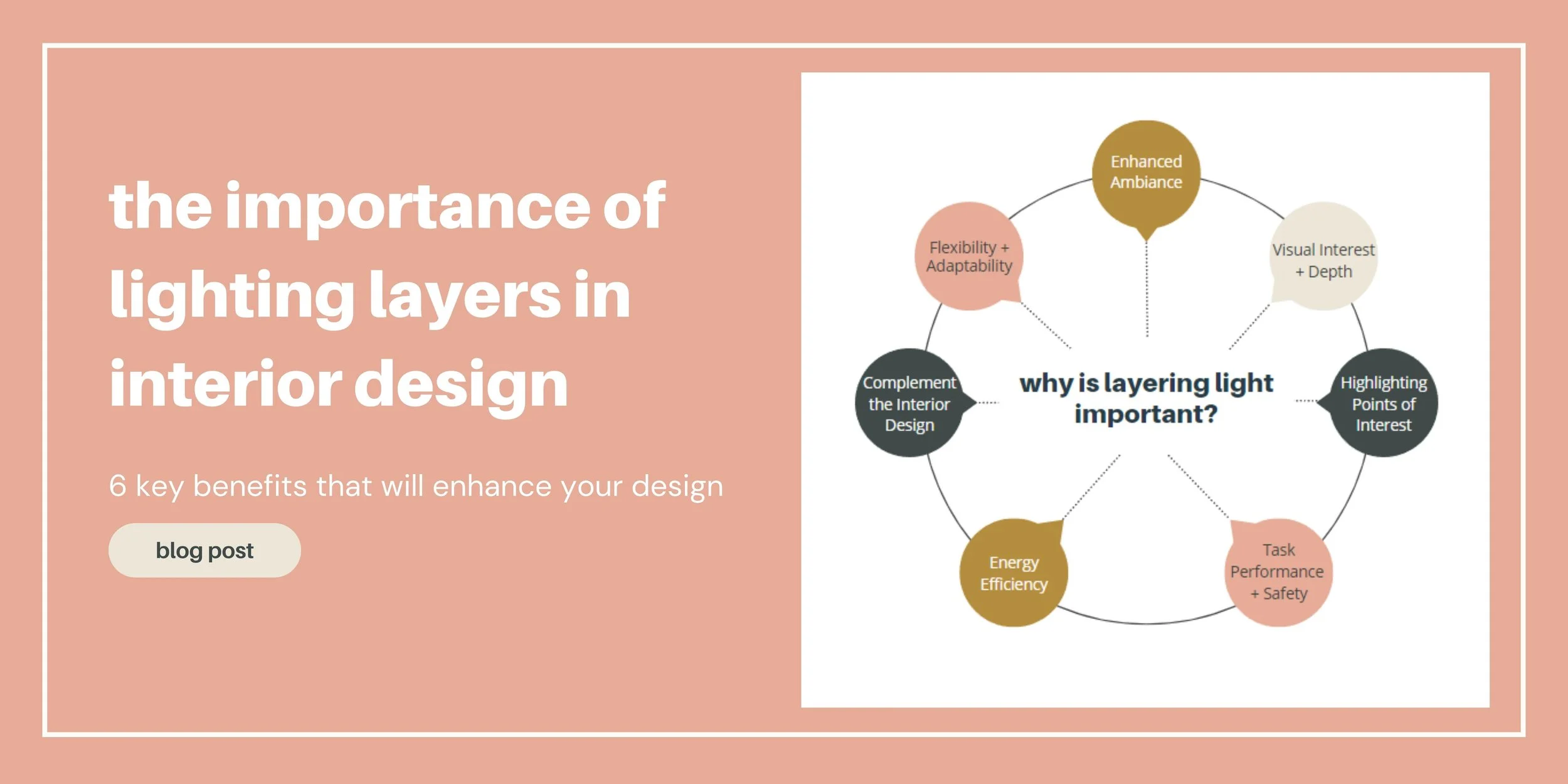
Layering light means using different types of lighting together. Combine ambient, task, and accent lights for balance. Ambient light brightens the whole room. Task light focuses on specific activities like reading. Accent light highlights artwork or plants. This mix adds depth and warmth to any space.
Using Dimmers
Dimmers control light brightness with ease. They let you change mood without changing bulbs. Bright light works for work or cleaning. Dim light creates a cozy and calm feel. Using dimmers saves energy too. They help adapt light to different times and needs.
Highlighting Architectural Features
Lighting can draw attention to special parts of a room. Use spotlights or wall washers to show off columns, arches, or textures. This adds interest and character. It also makes rooms look bigger and more inviting. Highlighting features adds a unique touch to your space.
Lighting For Different Spaces
Lighting changes the mood and function of every room. Each space needs different types of light. The right lighting makes a room feel cozy, bright, or calm. It also helps you do tasks better. Understanding lighting for different spaces improves your home’s comfort and style.
Living Rooms
Living rooms need soft and warm light. Use lamps and ceiling lights with dimmers. This lets you change brightness for relaxing or reading. Light should highlight furniture and artwork. Avoid harsh lights that make the room feel cold.
Kitchens
Kitchens require bright and clear light. Use overhead lights and under-cabinet lamps. Bright light helps when cooking and cleaning. Focus on work areas like counters and sinks. Choose lights that do not cause shadows.
Bedrooms
Bedrooms need gentle and soothing light. Use bedside lamps and soft ceiling lights. Light should help you relax before sleep. Avoid very bright or blue-toned lights. Warm light creates a peaceful space for rest.
Outdoor Areas
Outdoor areas need safe and inviting light. Use pathway lights and wall lamps. Light should guide steps and highlight plants. Choose weatherproof lights for durability. Soft lighting makes the space cozy at night.
Credit: www.lightandform-studio.com
Common Lighting Mistakes
Lighting shapes the feel and function of any space. Many people make simple mistakes that reduce lighting quality. These mistakes cause discomfort and waste energy. Avoiding them improves comfort and style. Here are common lighting mistakes to watch out for.
Overlighting
Too much light can hurt your eyes and ruin mood. Bright rooms feel harsh and cold. Overlighting wastes energy and raises bills. Use the right amount of light for each room. Dimmer switches help control brightness.
Ignoring Natural Light
Natural light is free and healthy. Many homes block sunlight with heavy curtains or furniture. This makes rooms dark and dull. Open windows and use light curtains to let sunlight in. Natural light improves mood and reduces electricity use.
Poor Fixture Placement
Wrong fixture placement causes shadows and glare. Lights too high or low miss key areas. Place fixtures to highlight workspaces and decor. Balance ambient, task, and accent lighting for best results. Proper placement makes rooms look bigger and more inviting.
Smart Lighting Solutions
Smart lighting solutions bring new ease and control to home and office lighting. These systems use technology to adjust light automatically. They help create the right mood, save energy, and increase comfort. Smart lights can connect to apps and voice assistants for easy management.
Automation And Controls
Smart lighting uses sensors and timers to control lights without manual effort. Lights turn on or off based on movement or time of day. Users can set schedules to match daily routines. Controls work through smartphones or voice commands. This reduces the need to touch switches and adds convenience.
Energy Savings With Smart Tech
Smart lights use less energy than traditional bulbs. They adjust brightness to match natural light and room use. This lowers electricity bills and reduces waste. Some systems track energy use and suggest savings tips. Using smart lighting helps protect the environment by cutting power consumption.
Credit: www.upskillist.com
Frequently Asked Questions
What Are The Benefits Of Good Lighting In Homes?
Good lighting enhances mood, improves focus, and reduces eye strain. It also highlights decor and increases safety in living spaces.
How Does Lighting Affect Productivity At Work?
Proper lighting boosts concentration, reduces fatigue, and improves overall productivity. Natural light is best, but well-designed artificial lighting works too.
Why Is Lighting Important For Interior Design?
Lighting shapes ambiance, highlights key features, and adds depth to rooms. It transforms spaces and influences how colors and textures appear.
Can Poor Lighting Impact Health Negatively?
Yes, poor lighting can cause headaches, eye strain, and disrupt sleep patterns. It may also increase stress and reduce overall well-being.
Conclusion
Good lighting improves mood and helps us see better. It makes spaces feel safe and welcoming. Proper lighting saves energy and cuts costs. It highlights important areas and hides flaws. Everyone benefits from thoughtful lighting choices at home or work.
Small changes can create big differences in comfort and style. Remember, lighting is not just about brightness but how it fits your needs. Choose lights that suit your tasks and space. Bright or soft, lighting shapes how we live each day.