

Indian Interior Design Ideas for Kolkata Homes Traditional Elegance Meets Modern Luxury
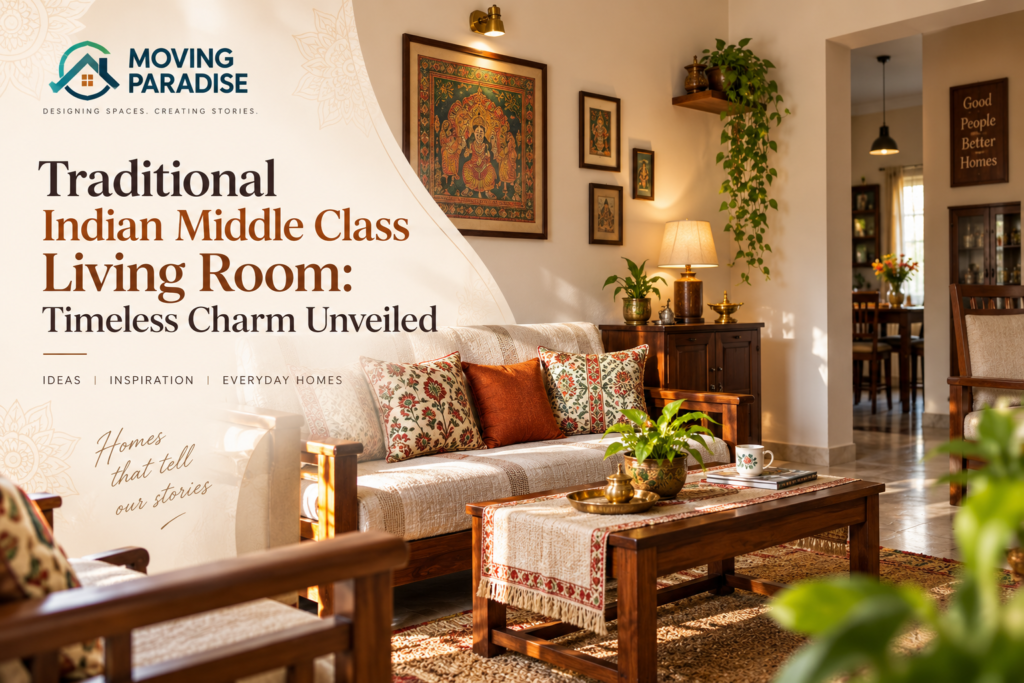
Indian interior design ideas for kolkata homes traditional elegance meets modern luxury by blending antique wooden furniture with sleek, minimalist lighting and contemporary textures. Achieving this balance requires careful placement of heritage pieces against neutral, light-reflecting backdrops. The final result depends on your room size, natural light availability, and the specific age of your property. Who these interior design ideas suit This guide serves homeowners in Kolkata living in older colonial-style apartments or newer high-rise condos who want to preserve cultural roots without sacrificing modern comfort. You likely already own a few heirloom pieces, such as a carved rosewood chair or a brass lamp, and you’re now looking for ways to integrate these into a functional, clutter-free space. If you’re seeking a purely minimalist, Scandinavian-style apartment with no cultural markers, this page isn’t for you. We assume you possess a basic floor plan and a budget for either restoration or new custom furniture. Whether you’re working with a small bedroom or a large drawing room, the core strategy remains the same: treat your heritage items as focal points rather than background noise. Factors that shape your design Lighting in Kolkata plays a massive role in how your space feels because the humidity and frequent monsoon rains can make rooms feel dark. If you have large, high-ceilinged windows, you can afford darker, traditional wood tones. If your space is small, stick to off-white walls to keep the room feeling open. The age of your building is the next key factor. Older homes often have intricate floor tiles or high ceilings that demand respect; don’t cover these features with modern false ceilings. Instead, use them as your design anchor. Furniture scale is the mistake people make most often. Placing a massive, heavy teak wardrobe in a small, modern bedroom makes the room feel cramped and dated. Always measure your floor space before adding a traditional piece; if the room is under 150 square feet, keep your heritage items to small accessories like stools or wall art. Humidity control is vital for wood preservation in West Bengal. According to the Forest Products Laboratory research on wood moisture, keeping indoor humidity between 30% and 50% prevents your antique furniture from warping or cracking. Step by step Clear the entire room to see the natural light flow and identify your main focal point, such as a window or a feature wall. Select one traditional piece, like a jhoola or a carved cabinet, to serve as the room’s anchor. Paint the walls in a neutral tone like warm white or soft grey to create a clean, modern canvas. Install modern, recessed LED lighting to illuminate the traditional furniture without adding visual clutter. Add a simple, solid-colored rug to define the seating area, ensuring it doesn’t clash with intricate floor tiles. Replace heavy, dark curtains with light linen or cotton drapes that allow natural light to filter through. Use EPA indoor air quality guidelines to ensure that any new paints or finishes you apply are low in volatile organic compounds. Arrange your seating in a conversational layout that leaves at least 30 inches of space for walking paths. Add a single modern art piece or a large mirror to balance the weight of the antique furniture. The judgement call that separates a professional look from a cluttered one is the “negative space” rule: if a piece doesn’t serve a function or highlight your heritage item, remove it. The variations at a glance The following table outlines common room scenarios found in Kolkata homes and how to manage them effectively. Situation Strategy Effort Level Watch For High-ceiling flat Use tall, dark wood High Dust accumulation Small modern condo Use one accent piece Low Clutter buildup Damp ground floor Use moisture-resistant finishes High Mold growth Open-plan layout Use rugs to zone Medium Visual chaos Narrow balcony Use folding wood furniture Low Rust on joints What separates a good result from a poor one Prioritizing functional flow Experienced designers focus on the paths between furniture. They ensure that even the most beautiful heirloom chair doesn’t block the route to the balcony or kitchen. A good result feels effortless because you can move through the room without bumping into corners. Beginners often crowd a room with too many “statement” pieces, which makes a home feel like a museum rather than a living space. Balancing textures and materials Successful spaces mix smooth, modern surfaces with the rougher, natural grain of aged wood. Using Energy Star lighting helps you achieve this by providing clear, cool light that makes the rich textures of traditional craftsmanship stand out against modern, matte-finish walls. Beginners often use too many glossy surfaces, which creates glare and makes the room feel cold and unwelcoming. What goes wrong, and what to do What you notice What it usually means What to do first How to stop it happening again Wood feels sticky High indoor humidity Use a dehumidifier Improve cross-ventilation Room feels dark Too much dark wood Add a large mirror Use lighter wall paint Furniture wobbles Uneven floor tiles Use felt pads Level the base Cluttered surfaces Too many small items Remove 50% of items Use closed storage Paint peeling Moisture in walls Scrape and reseal Check external drainage Standards for your home Building standards in Kolkata often require that you don’t modify structural load-bearing walls during renovations. Always check your building’s original blueprints before removing any walls to create an open floor plan. If your home is in a heritage-listed building, you must obtain permission from the Kolkata Municipal Corporation before altering any exterior-facing windows or historical features. If you’re unsure about the structural integrity of your home, hire a licensed structural engineer to assess the space before moving heavy furniture or knocking down partitions. Never assume a wall is non-structural just because it looks thin; if you see cracks appearing after moving furniture, stop immediately and seek professional advice to prevent a safety hazard. What it costs you The