
Indian interior design ideas for kolkata homes traditional elegance meets modern luxury by blending antique wooden furniture with sleek, minimalist lighting and contemporary textures. Achieving this balance requires careful placement of heritage pieces against neutral, light-reflecting backdrops. The final result depends on your room size, natural light availability, and the specific age of your property.
Who these interior design ideas suit
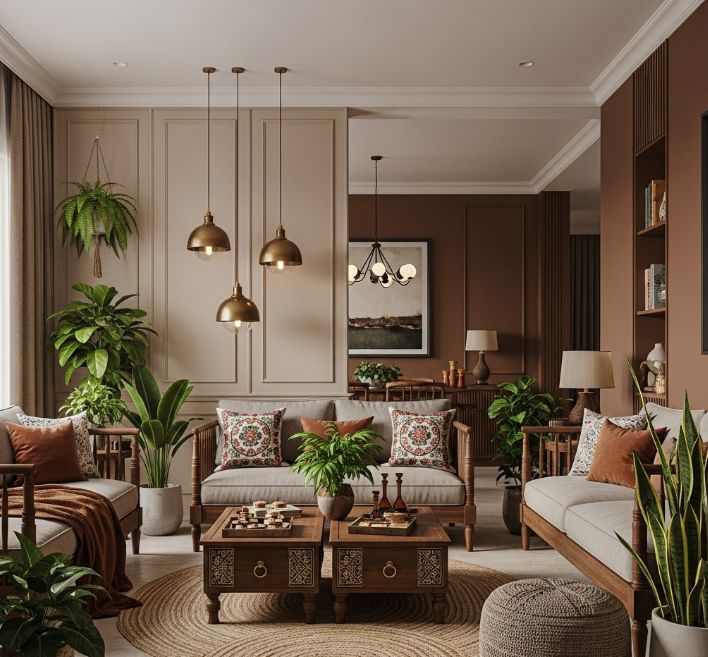
This guide serves homeowners in Kolkata living in older colonial-style apartments or newer high-rise condos who want to preserve cultural roots without sacrificing modern comfort. You likely already own a few heirloom pieces, such as a carved rosewood chair or a brass lamp, and you’re now looking for ways to integrate these into a functional, clutter-free space. If you’re seeking a purely minimalist, Scandinavian-style apartment with no cultural markers, this page isn’t for you. We assume you possess a basic floor plan and a budget for either restoration or new custom furniture. Whether you’re working with a small bedroom or a large drawing room, the core strategy remains the same: treat your heritage items as focal points rather than background noise.
Factors that shape your design
Lighting in Kolkata plays a massive role in how your space feels because the humidity and frequent monsoon rains can make rooms feel dark. If you have large, high-ceilinged windows, you can afford darker, traditional wood tones. If your space is small, stick to off-white walls to keep the room feeling open.
The age of your building is the next key factor. Older homes often have intricate floor tiles or high ceilings that demand respect; don’t cover these features with modern false ceilings. Instead, use them as your design anchor.
Furniture scale is the mistake people make most often. Placing a massive, heavy teak wardrobe in a small, modern bedroom makes the room feel cramped and dated. Always measure your floor space before adding a traditional piece; if the room is under 150 square feet, keep your heritage items to small accessories like stools or wall art.
Humidity control is vital for wood preservation in West Bengal. According to the Forest Products Laboratory research on wood moisture, keeping indoor humidity between 30% and 50% prevents your antique furniture from warping or cracking.
Step by step
Clear the entire room to see the natural light flow and identify your main focal point, such as a window or a feature wall.
Select one traditional piece, like a jhoola or a carved cabinet, to serve as the room’s anchor.
Paint the walls in a neutral tone like warm white or soft grey to create a clean, modern canvas.
Install modern, recessed LED lighting to illuminate the traditional furniture without adding visual clutter.
Add a simple, solid-colored rug to define the seating area, ensuring it doesn’t clash with intricate floor tiles.
Replace heavy, dark curtains with light linen or cotton drapes that allow natural light to filter through.
Use EPA indoor air quality guidelines to ensure that any new paints or finishes you apply are low in volatile organic compounds.
Arrange your seating in a conversational layout that leaves at least 30 inches of space for walking paths.
Add a single modern art piece or a large mirror to balance the weight of the antique furniture.
The judgement call that separates a professional look from a cluttered one is the “negative space” rule: if a piece doesn’t serve a function or highlight your heritage item, remove it.
The variations at a glance
The following table outlines common room scenarios found in Kolkata homes and how to manage them effectively.
Situation | Strategy | Effort Level | Watch For |
|---|---|---|---|
High-ceiling flat | Use tall, dark wood | High | Dust accumulation |
Small modern condo | Use one accent piece | Low | Clutter buildup |
Damp ground floor | Use moisture-resistant finishes | High | Mold growth |
Open-plan layout | Use rugs to zone | Medium | Visual chaos |
Narrow balcony | Use folding wood furniture | Low | Rust on joints |
What separates a good result from a poor one
Prioritizing functional flow
Experienced designers focus on the paths between furniture. They ensure that even the most beautiful heirloom chair doesn’t block the route to the balcony or kitchen. A good result feels effortless because you can move through the room without bumping into corners. Beginners often crowd a room with too many “statement” pieces, which makes a home feel like a museum rather than a living space.
Balancing textures and materials
Successful spaces mix smooth, modern surfaces with the rougher, natural grain of aged wood. Using Energy Star lighting helps you achieve this by providing clear, cool light that makes the rich textures of traditional craftsmanship stand out against modern, matte-finish walls. Beginners often use too many glossy surfaces, which creates glare and makes the room feel cold and unwelcoming.
What goes wrong, and what to do
What you notice | What it usually means | What to do first | How to stop it happening again |
|---|---|---|---|
Wood feels sticky | High indoor humidity | Use a dehumidifier | Improve cross-ventilation |
Room feels dark | Too much dark wood | Add a large mirror | Use lighter wall paint |
Furniture wobbles | Uneven floor tiles | Use felt pads | Level the base |
Cluttered surfaces | Too many small items | Remove 50% of items | Use closed storage |
Paint peeling | Moisture in walls | Scrape and reseal | Check external drainage |
Standards for your home
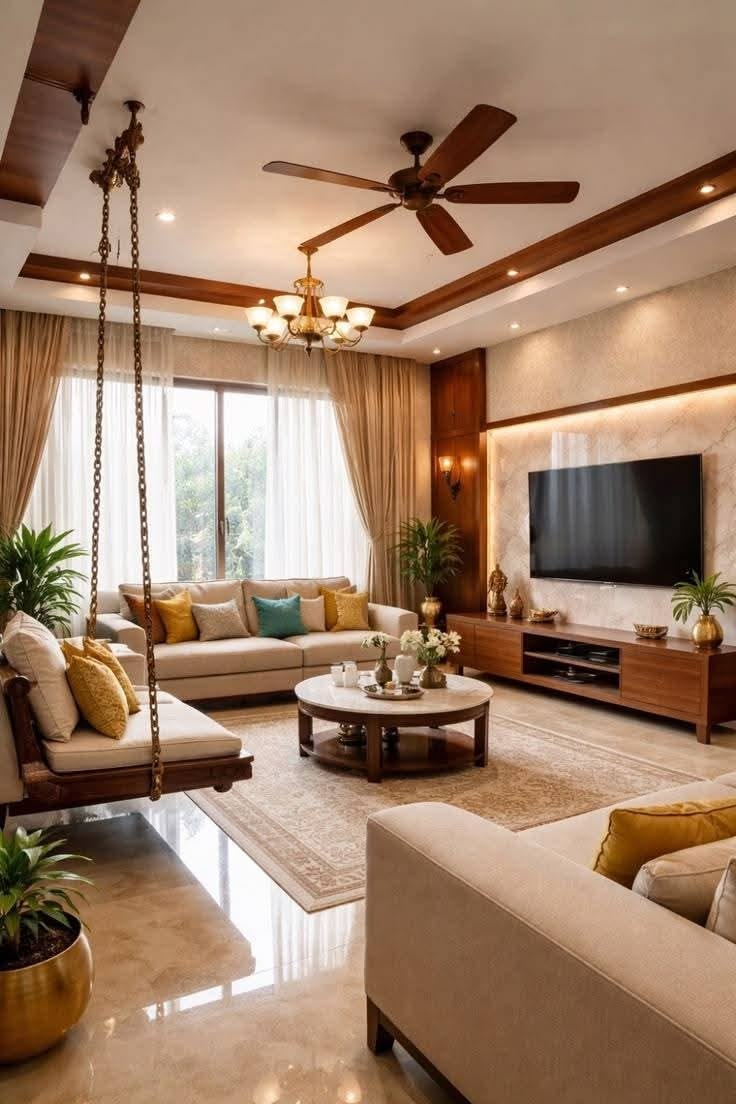
Building standards in Kolkata often require that you don’t modify structural load-bearing walls during renovations. Always check your building’s original blueprints before removing any walls to create an open floor plan. If your home is in a heritage-listed building, you must obtain permission from the Kolkata Municipal Corporation before altering any exterior-facing windows or historical features. If you’re unsure about the structural integrity of your home, hire a licensed structural engineer to assess the space before moving heavy furniture or knocking down partitions. Never assume a wall is non-structural just because it looks thin; if you see cracks appearing after moving furniture, stop immediately and seek professional advice to prevent a safety hazard.
What it costs you
The cost of this design style varies based on whether you’re restoring existing pieces or purchasing new, high-quality replicas. Restoration of antique teak furniture typically costs between 15% and 25% of the price of a new, high-end equivalent, depending on the damage. You should set aside a budget for professional carpentry and high-quality finishes, as cheap materials will degrade quickly in the humid climate. If you’re on a tight budget, focus your spending on lighting and wall paint first, as these provide the biggest impact. Always get three quotes from local craftsmen before starting any restoration work. The final price changes based on the wood species and the complexity of the carvings; check local furniture markets for current rates.
Keeping it right afterwards
To keep your home looking its best, clean wooden furniture with a dry, soft cloth once a week to prevent dust from trapping moisture. Avoid liquid cleaners unless they’re specifically designed for antique wood, as water can cause the finish to cloud. If you notice the wood losing its luster, apply a thin coat of high-quality wax once every six months to protect the surface. The sign that your home needs attention is a musty smell or sticky surfaces, which indicate that humidity levels are too high. If this happens, increase the use of your dehumidifier or check for leaks in the walls. Keeping your space right is about consistent, light care rather than intense, yearly overhauls.
When this is the wrong approach
If your home is in a flood-prone area or has recurring damp issues that you can’t fix, this design style is the wrong choice. Traditional wood furniture will rot quickly in constant moisture, and you should use metal or stone furniture instead. If you have small children or pets who are very active, avoid placing fragile, antique items at eye level where they can be knocked over. In these cases, focus on modern, durable materials like powder-coated steel or tempered glass. If the cost of professional restoration exceeds your budget, don’t attempt to fix antique furniture yourself with store-bought chemicals, as you may permanently damage the wood’s value.
Frequently asked questions
Can I mix modern art with traditional furniture?
Yes, it’s encouraged. Place a modern, abstract painting above a traditional wooden console to create a visual bridge between the two styles, ensuring the colors in the art match the room’s palette.
How long does it take to restore old furniture?
About two to four weeks is standard. This depends on the level of damage, the availability of materials like rattan or specialized wood stains, and the workload of the local craftsman you hire.
Is it safe to use heavy wooden furniture in a flat?
Yes, provided the floor is level. Check with your building manager or a structural engineer if you plan to move very heavy pieces, such as large cabinets, to ensure the floor load capacity is sufficient.
What happens if the wood starts to crack?
It usually means the air is too dry or the wood is aging. Apply a small amount of wood conditioner or wax to the affected area and monitor the humidity levels to prevent further damage.
Does it matter if my room is small?
No, it does not. You can still use traditional elements by choosing smaller, functional pieces like a carved side table or a decorative mirror frame to maintain the aesthetic without overwhelming the space.
How do I stop furniture from smelling musty?
Ensure the piece has enough airflow around it. Place it at least two inches away from the wall and use a dehumidifier in the room to keep moisture levels low during the monsoon season.
What to do next
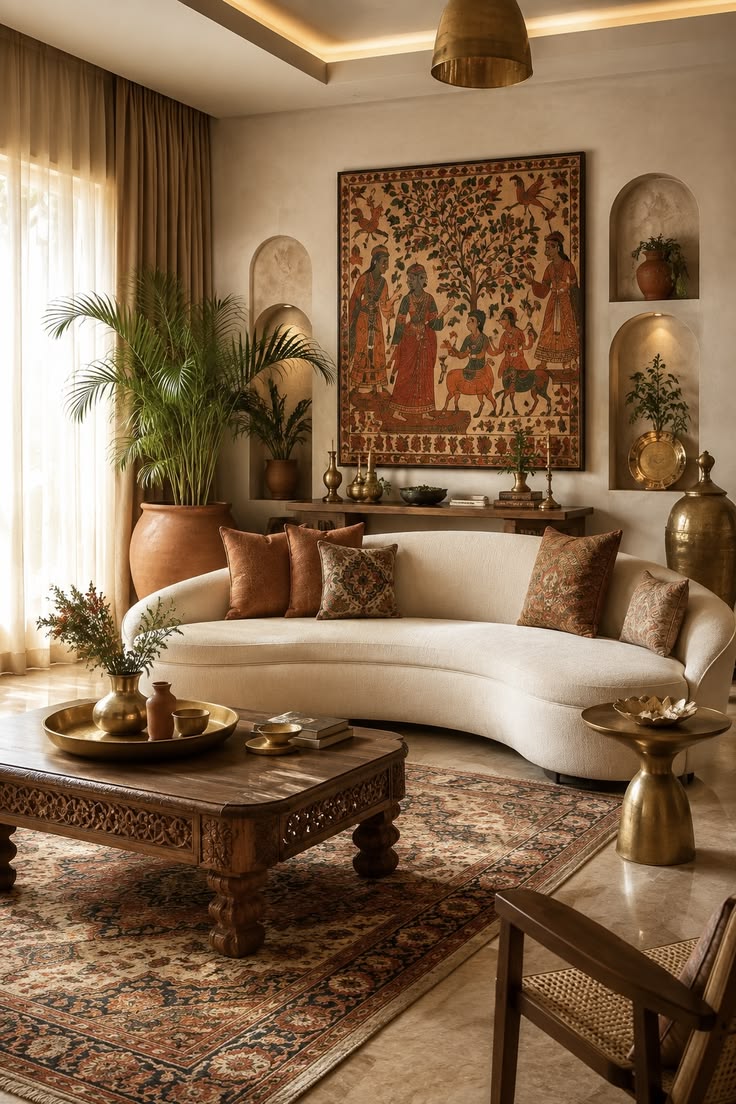
Start by decluttering your main room to reveal the space you have available. Once you clear the area, you’ll see exactly where your traditional pieces fit best against the modern backdrop. If you notice structural cracks, stop and consult a professional before proceeding further.
Final Thoughts
Transforming your living space shouldn’t feel like a chore. Start by picking one heirloom piece you truly love and building your room’s mood around it. You’ll find that blending these stories with a fresh, modern touch makes your home feel uniquely yours. Don’t be afraid to experiment; your perfect sanctuary is waiting.